Mudjacking & concrete leveling services in St. Joseph
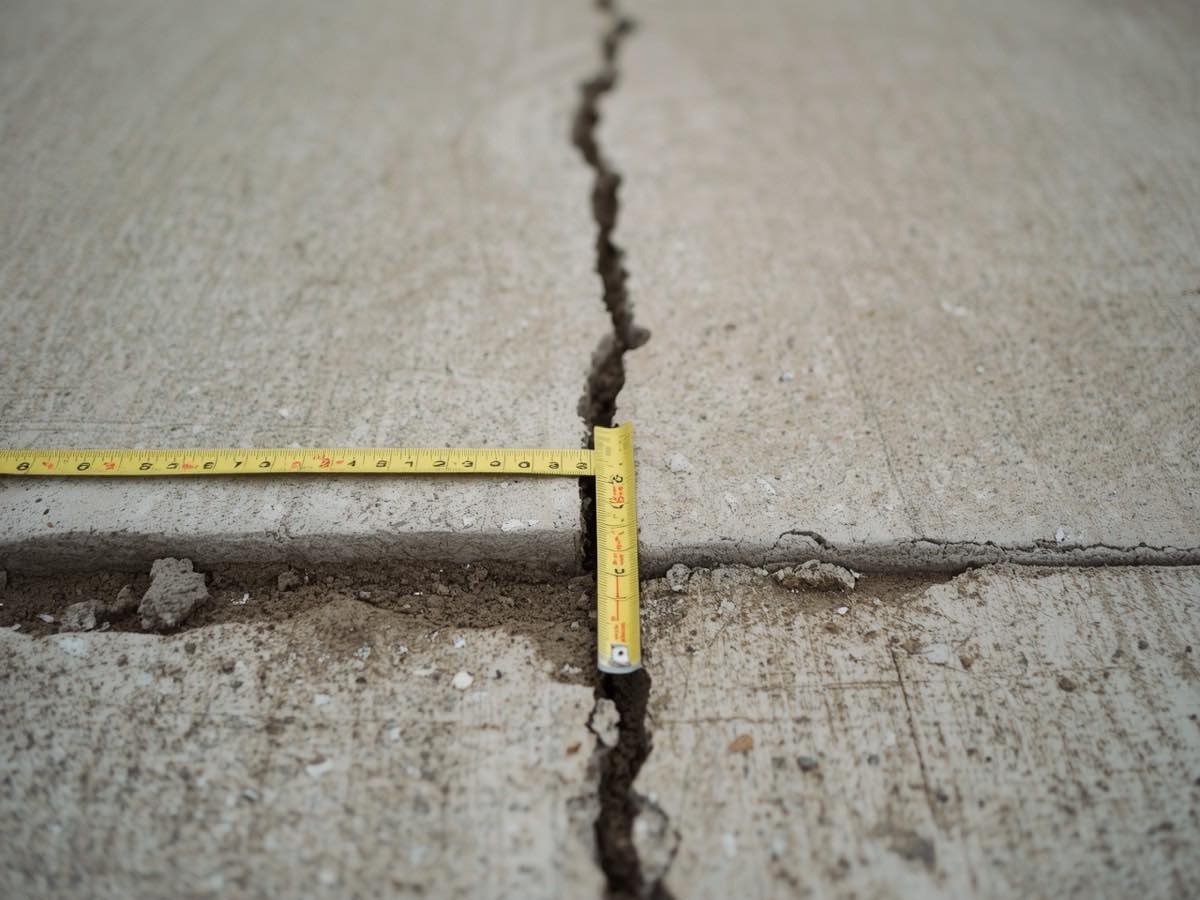
Concrete around here doesn't crack because it was poured wrong. It drops because the ground under it moved — loess silt that compacts when it gets wet, backfill on the east side that never fully settled, freeze-thaw working a joint open a little more every winter.
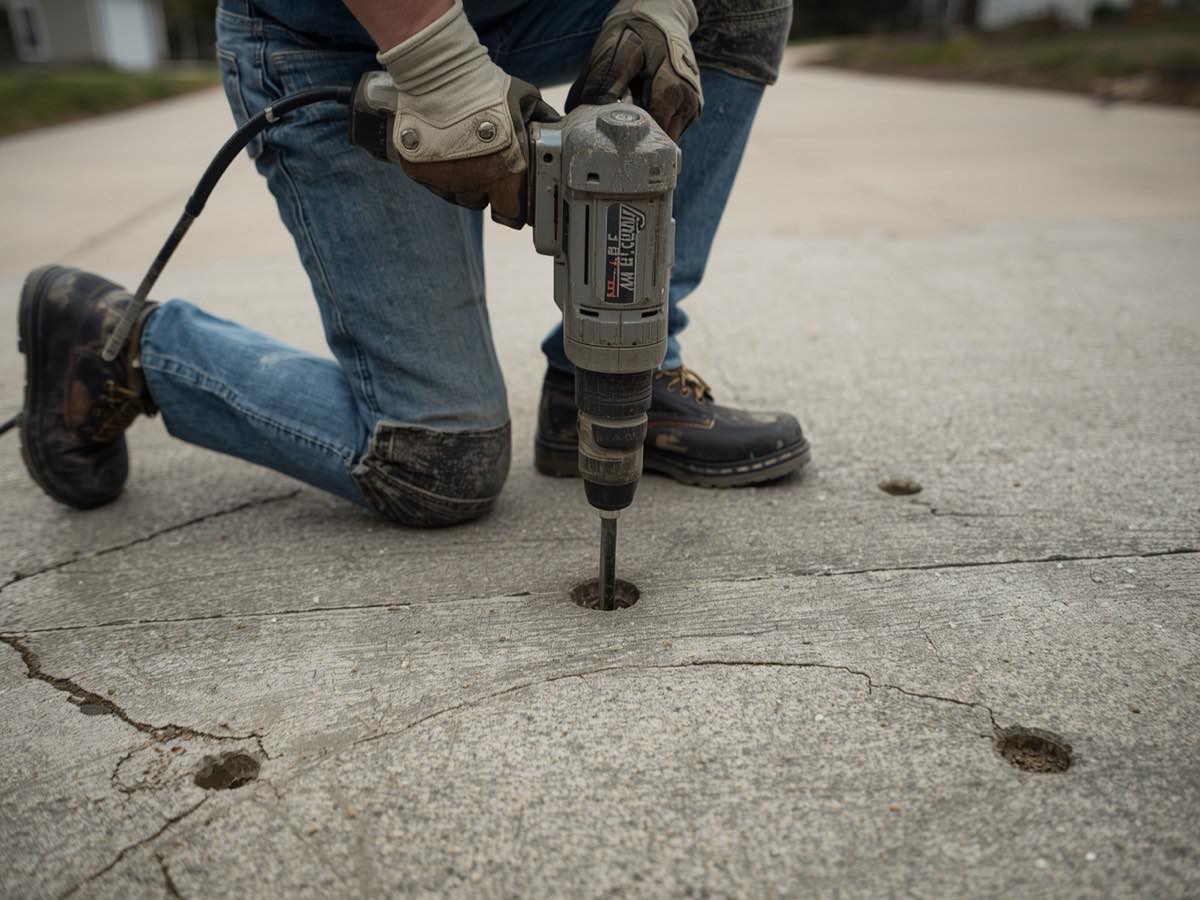
Mudjacking fixes the ground, not just the slab. We drill small ports, pump a heavy sand-cement slurry into the void underneath, and raise the concrete back to grade — then patch the ports flush. You use it the same day.
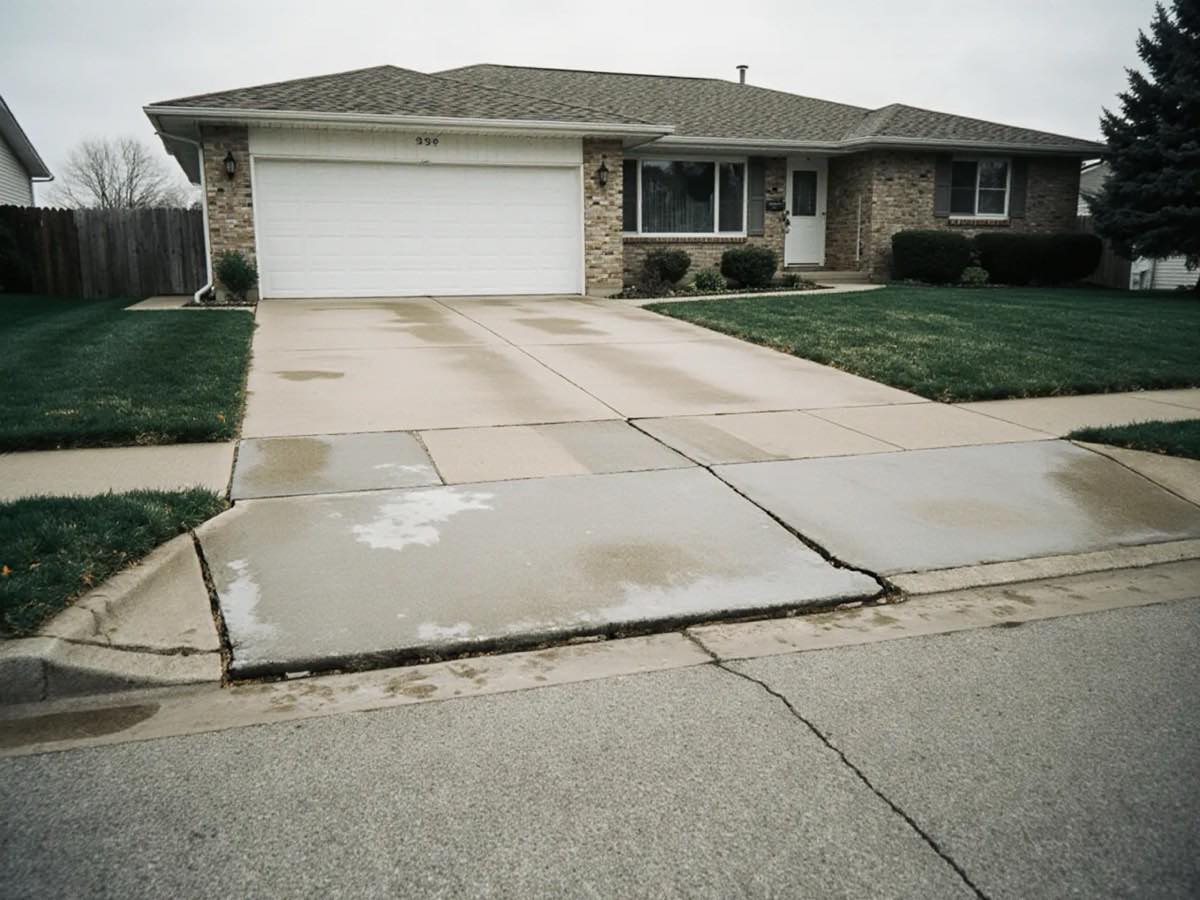
Driveway Leveling
The drop at the garage apron, the panel that pitches water at the foundation, the crack that keeps widening. Raised back to grade in a morning.
Learn more →Sidewalk & Walkway Leveling
Century-old walks on Museum Hill and Hall Street heave and offset. We take out the lip instead of the sidewalk.
Learn more →Patio & Pool Deck Leveling
Patios that settle toward the house send water where you don't want it. We re-pitch the slab away and seal the joints.
Learn more →Garage & Interior Floor Leveling
Interior slabs are where demo gets ugly. Lifting keeps the floor, the walls, and the week you'd lose to a tear-out.
Learn more →Steps & Porch Leveling
A porch pulling away from the house is the first thing a buyer's inspector writes down. It's usually a void, not a foundation.
Learn more →Void Filling & Joint Caulking
Fill the void before the slab cracks over it, then seal the joints so water stops washing your base course away.
Learn more →Should you level it — or tear it out?
Level it when…
- ✓The slab is sound — it just sank, tipped, or grew a trip lip
- ✓Water now runs toward the house instead of away from it
- ✓It's an interior or garage floor where demo means a wrecked week
- ✓You want the concrete usable today, not in three weeks of cure
- ✓You'd rather keep your concrete and spend a fraction of replacement
Replace it when…
- ×The concrete is spalling, crumbling, or broken into pieces
- ×It was a bad pour and it's failing from the inside out
- ×You're changing the layout, slope, or footprint anyway
- ×The real problem is structural — that's a foundation call, not a slab call
Most sunken slabs in St. Joe are better off lifted. If yours isn't, we'll say so — and we won't send you a quote for work you don't need.
How mudjacking works — four steps, one visit
Read the slab
We find where the void is and how far the concrete has to travel, then price the whole lift up front — in writing.
Drill the ports
A pattern of small holes, placed to control the lift. No saw cuts, no broken edges, nothing hauled off your property.
Pump the slurry
Sand-and-cement grout fills the void first, then pressure does the rest — the slab rises a fraction of an inch at a time.
Patch & walk it
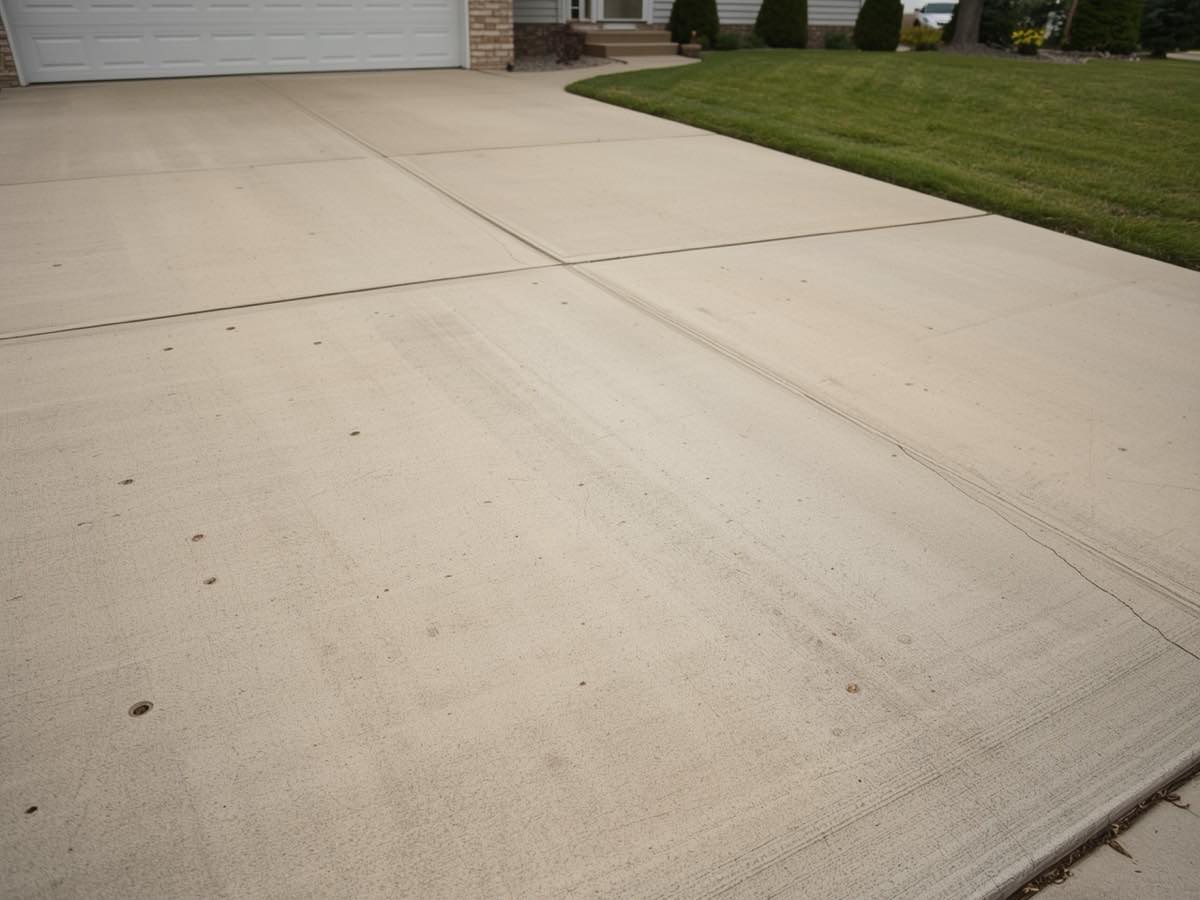
Ports patched flush, joints sealed, site swept. Walk on it right away and drive on it the same day.
See what a lift actually does
Concrete leveling guides — no sales pitch
Towns we level concrete in
St. Joseph and about 30 minutes out in every direction.Mudjacking FAQs
Still stuck? Send the question with a photo and we'll answer it straight — even if the answer is "you don't need us."
How much does mudjacking cost in St. Joseph?+
Most residential slab-lifting jobs in the St. Joseph area run a third to half the cost of full replacement. Every job is quoted free after a quick on-site look at how far the slab has settled and how much void is underneath.
Is mudjacking a permanent fix in loess soil?+
Yes — the slurry we pump fills the washed-out void and compacts into the loess beneath, giving the slab a denser base than it had when it was poured. Combined with joint caulking to keep water out, lifts routinely last decades.
How long before I can use my driveway?+
Mudjacked slabs can usually take vehicle weight the same day. Sidewalks and patios are walkable immediately.
Mudjacking vs. foam — which is better here?+
Both work. Mud (a sand/cement slurry) is heavier and cheaper per job; poly foam is lighter and cures faster. In deep loess washouts, slurry does an excellent job of filling large voids economically.
Do you handle commercial work?+
Yes — approaches, dock aprons, warehouse floors, and municipal sidewalk programs across Buchanan County.
Get your concrete back to level
Call (816) 722-8358Fastest way to get looked at is a call. Prefer to send photos? Tell us what's sunk and roughly where you are. We'll come look, tell you honestly whether lifting is the right call, and put the price in writing before anything gets drilled.
- ✓No obligation, no pressure, no upsell script
- ✓Written price before work starts
- ✓We'll say when replacement is the smarter buy